Finding the Relevance of Aluminum Foundry in Sustainable Design Practices
Aluminum foundries are significantly identified for their essential duty in lasting design. By recycling aluminum and using innovative technologies, they contribute to source preservation and minimized emissions. This technique fosters a circular economic climate, enhancing item high quality while reducing environmental impact. The journey towards sustainability in metal spreading is filled with obstacles and possibilities that require more exploration. What lies ahead for aluminum foundries in the quest for a greener future?
The Duty of Aluminum Foundries in Resource Preservation
Aluminum foundries play an important role in resource conservation by successfully recycling aluminum products. These facilities contribute in transforming scrap aluminum into premium products, thus minimizing the demand for brand-new aluminum extraction. The process includes melting down used light weight aluminum things, which calls for substantially less power than producing aluminum from raw bauxite ore. By making use of existing materials, foundries assist reduce greenhouse gas discharges connected with mining and refining procedures.
Aluminum foundries contribute to throw away decrease by diverting scrap from garbage dumps, advertising a much more lasting technique to resource administration. They usually work together with markets to gather post-consumer and post-industrial light weight aluminum waste, boosting the total recycling framework. This technique not just conserves natural resources yet likewise supports the economic situation by producing jobs and cultivating advancement in lasting engineering methods. Via these initiatives, aluminum foundries exhibit a dedication to ecological stewardship and source performance in manufacturing.
Recycling and Repurposing: A Round Economy Method
The concept of a circular economy is progressively getting grip in numerous sectors, consisting of aluminum foundries. This technique highlights the significance of reusing and repurposing products to reduce waste and maximize resource usage. In light weight aluminum foundries, reusing includes reclaiming scrap aluminum from production processes and end-of-life items, considerably minimizing the requirement for virgin materials. This not just preserves natural deposits but additionally lowers energy intake related to aluminum manufacturing.
Repurposing, on the other hand, includes transforming disposed of aluminum items into brand-new, practical things, consequently extending their life cycle. By embracing these techniques, light weight aluminum foundries contribute to a lasting production ecosystem that prioritizes ecological duty. The integration of reusing and repurposing within the light weight aluminum sector lines up with more comprehensive sustainability goals, driving technology and enhancing the economic viability of circular economy principles (Aluminum Foundry). Inevitably, this approach cultivates durability within the industry while decreasing its environmental footprint
Innovative Technologies Changing Aluminum Casting
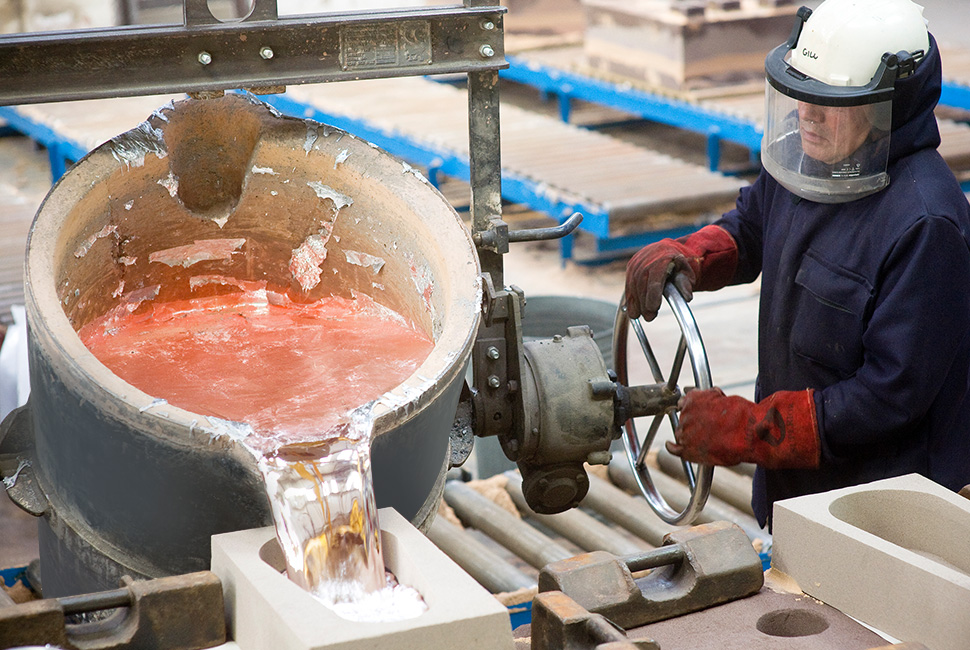
Ingenious modern technologies are improving the light weight aluminum casting sector by introducing innovative molding methods that boost precision and efficiency. In addition, the growth of environment-friendly alloys is advertising sustainability while preserving performance requirements. Automation in casting procedures better simplifies manufacturing, minimizing waste and energy intake.
Advanced Molding Techniques
Eco-Friendly Alloy Advancement
As the need for sustainable techniques in producing expands, the advancement of green aluminum alloys has actually arised as a vital emphasis within the light weight aluminum casting sector. These innovative alloys aim to lower ecological influence while keeping premium efficiency features. Researchers are discovering the incorporation of recycled products and safe aspects, which not only decrease the carbon impact however likewise enhance resource efficiency. Advanced methods, such as using bio-based ingredients, are being examined to boost alloy homes without endangering sustainability. Additionally, collaborations in between academia and sector are cultivating the production of alloys tailored for certain applications, ensuring that environmentally friendly options meet the extensive needs of modern design. This dedication to sustainability settings the light weight aluminum spreading market as a leader in responsible manufacturing methods.
Automation in Casting Procedures
While the light weight aluminum spreading industry welcomes sustainability, automation in casting procedures is concurrently transforming manufacturing efficiency and high quality. Advanced innovations such as robotic arms, computer system numerical control (CNC) devices, and man-made knowledge are enhancing procedures, minimizing labor prices, and reducing human error. These advancements enable exact control over casting criteria, ensuring consistent item a fantastic read quality and lowering product waste. Additionally, automated systems can keep an eye on real-time data, enabling immediate changes to optimize efficiency. Because of this, makers can boost their sustainability efforts by enhancing source utilization and reducing power usage. The integration of automation not only fulfills the growing demand for top notch light weight aluminum parts yet you can try these out also lines up with green methods, noting a considerable development in the light weight aluminum factory market.
Minimizing Carbon Footprints Via Lasting Practices
A significant reduction in carbon impacts can be accomplished through the execution of lasting practices in aluminum foundries. By embracing energy-efficient technologies, foundries can lessen power usage, consequently lowering greenhouse gas emissions. Furthermore, the assimilation of recycled aluminum significantly reduces the need for raw product extraction, which is resource-intensive and contributes to ecological deterioration.
Applying advanced melting methods, such as induction melting, can also enhance effectiveness and reduce emissions. Maximizing the casting process via automation and surveillance can lessen waste and power use.
Factories can also shift towards sustainable power sources, such as solar or wind, to power operations, as a result decreasing reliance on nonrenewable fuel sources. Staff member training on sustainable practices promotes a society of ecological responsibility, ensuring that everybody plays a duty in reducing the total carbon impact. With these measures, aluminum foundries can considerably add to a more lasting future.
The Effect of Aluminum Foundries on Different Industries
Aluminum foundries play a considerable role across various sectors, giving lightweight and resilient materials that improve item efficiency and sustainability. In the vehicle industry, light weight aluminum spreadings add to sustain efficiency by lowering automobile weight, ultimately resulting in reduced discharges. The aerospace sector benefits from light weight aluminum's strength-to-weight proportion, making it possible for the manufacturing of extra reliable aircraft layouts. In building and construction, aluminum elements supply rust resistance and longevity, making buildings extra sustainable gradually. Furthermore, the electronics sector uses aluminum for its outstanding thermal conductivity, which is vital for heat dissipation in devices. In addition, aluminum foundries support the manufacturing of durable goods, providing aesthetically pleasing and practical items. As sectors increasingly focus on sustainability, the function of aluminum foundries ends up being extra important, making sure that products not just fulfill efficiency standards yet likewise This Site straighten with ecological goals. Subsequently, the effect of light weight aluminum foundries extends throughout multiple industries, driving technology and advertising lasting techniques.
Challenges and Opportunities in Sustainable Steel Casting
As markets venture for sustainability, the obstacles and opportunities in lasting metal casting become progressively noticeable. One considerable obstacle is the ecological impact of traditional casting processes, which commonly involve high power intake and discharges. Additionally, the demand for knowledgeable labor in lasting practices positions difficulties for many foundries. However, opportunities are plentiful with developments in technology, such as the combination of energy-efficient methods and using recycled products. Emphasizing the circular economy, foundries can lower waste and lower costs while improving item top quality. Cooperation amongst stakeholders, consisting of suppliers and clients, can cause cutting-edge approaches that cultivate sustainability. Additionally, regulative pressures motivate foundries to take on greener techniques, changing challenges into methods for growth. By dealing with these difficulties, the metal spreading industry can place itself as a leader in sustainable design, inevitably adding to a more environmentally responsible future.
Future Fads in Aluminum Foundry Practices for Sustainability
Cutting-edge Recycling Methods
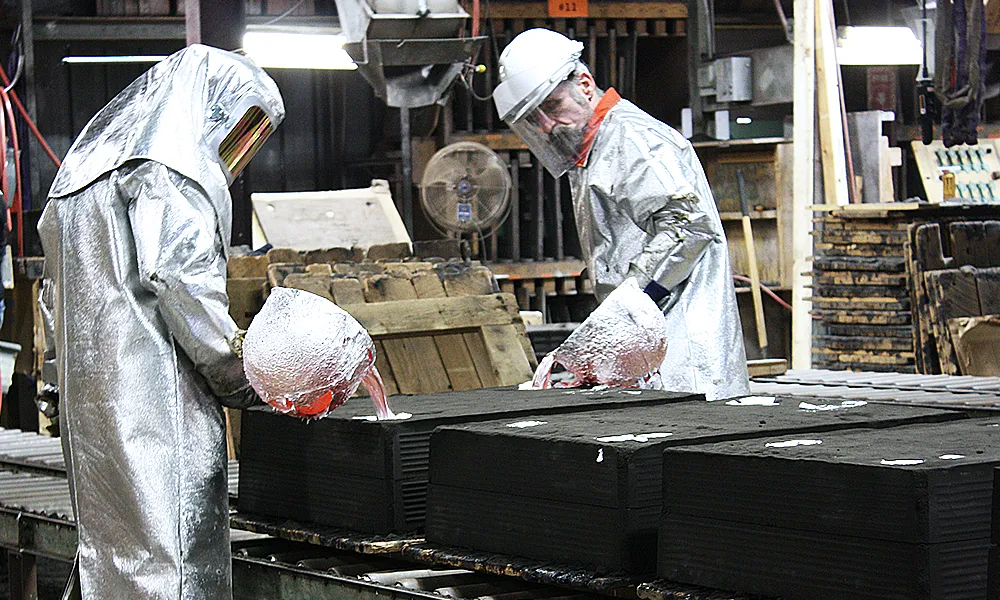
While the demand for sustainable practices continues to climb, cutting-edge recycling methods are becoming critical options within the light weight aluminum foundry field. Advanced methods such as closed-loop recycling are getting traction, permitting the repurposing of scrap aluminum straight back into the production procedure. This method not just lessens waste yet likewise reduces the carbon impact connected with aluminum production. Furthermore, the growth of innovative sorting modern technologies enhances the efficiency of reusing procedures, ensuring high-grade feedstock for foundries. Methods like hydrometallurgical reusing more optimize resource recuperation, making it possible for the extraction of important materials from intricate aluminum alloys. As these advancements develop, they considerably add to a more sustainable light weight aluminum shop industry, straightening with global environmental goals.
Energy-Efficient Casting Approaches
Cutting-edge recycling methods lead the way for advancements in energy-efficient spreading methods within the aluminum foundry market. These methods focus on decreasing power intake and minimizing waste throughout the spreading process. Methods such as die casting and financial investment spreading are being improved to boost thermal efficiency and shorten cycle times. Additionally, the combination of wise innovations and automation enables real-time monitoring and optimization of energy usage. Scientists are also checking out alternate products and ingredients that can better improve energy performance (Aluminum Foundry). The shift towards sustainable techniques is not simply governing; it shows an expanding market need for greener items. As energy-efficient spreading methods develop, they promise to significantly decrease the carbon impact of light weight aluminum manufacturing while preserving quality and efficiency standards
Often Asked Concerns
What Are the Ecological Advantages of Aluminum Foundries Compared to Other Metals?
Aluminum foundries offer significant environmental benefits, consisting of lower power intake, reduced greenhouse gas discharges, and recyclability. Compared to other metals, aluminum's light-weight nature enhances gas effectiveness in transportation, more contributing to sustainability in different markets.
How Do Aluminum Foundries Add To Local Economic Climates and Work Production?
Aluminum foundries play a crucial duty in regional economies by creating task opportunities and supporting secondary sectors. Their operations stimulate financial development, improve workforce skills, and foster neighborhood growth with financial investment in local infrastructure and solutions.
What Precaution Are Executed in Aluminum Foundry Operations?
Security actions in light weight aluminum shop operations consist of personal protective tools, air flow systems to reduce direct exposure to fumes, normal devices maintenance, safety and security training for staff members, and rigorous adherence to market guidelines to lessen threats and guarantee employee safety.
Exactly How Can Consumers Support Sustainable Practices in Aluminum Manufacturing?
Customers can support lasting practices in aluminum production by selecting items made from recycled light weight aluminum, advocating for eco-friendly sourcing, and sustaining business dedicated to minimizing their carbon impact and applying accountable production processes.
What Qualifications Should Aluminum Foundries Pursue for Sustainability Acknowledgment?
Aluminum foundries must seek qualifications such as ISO 14001 for ecological administration, LEED for green structure, and the Aluminum Stewardship Campaign requirements to acquire acknowledgment for their dedication to sustainability and responsible production practices.
Comments on “Aluminum Foundry explained: Beginner’s guide”